SOCIAL
Build in Public on X and LinkedIn: A Playbook for Solo Founders
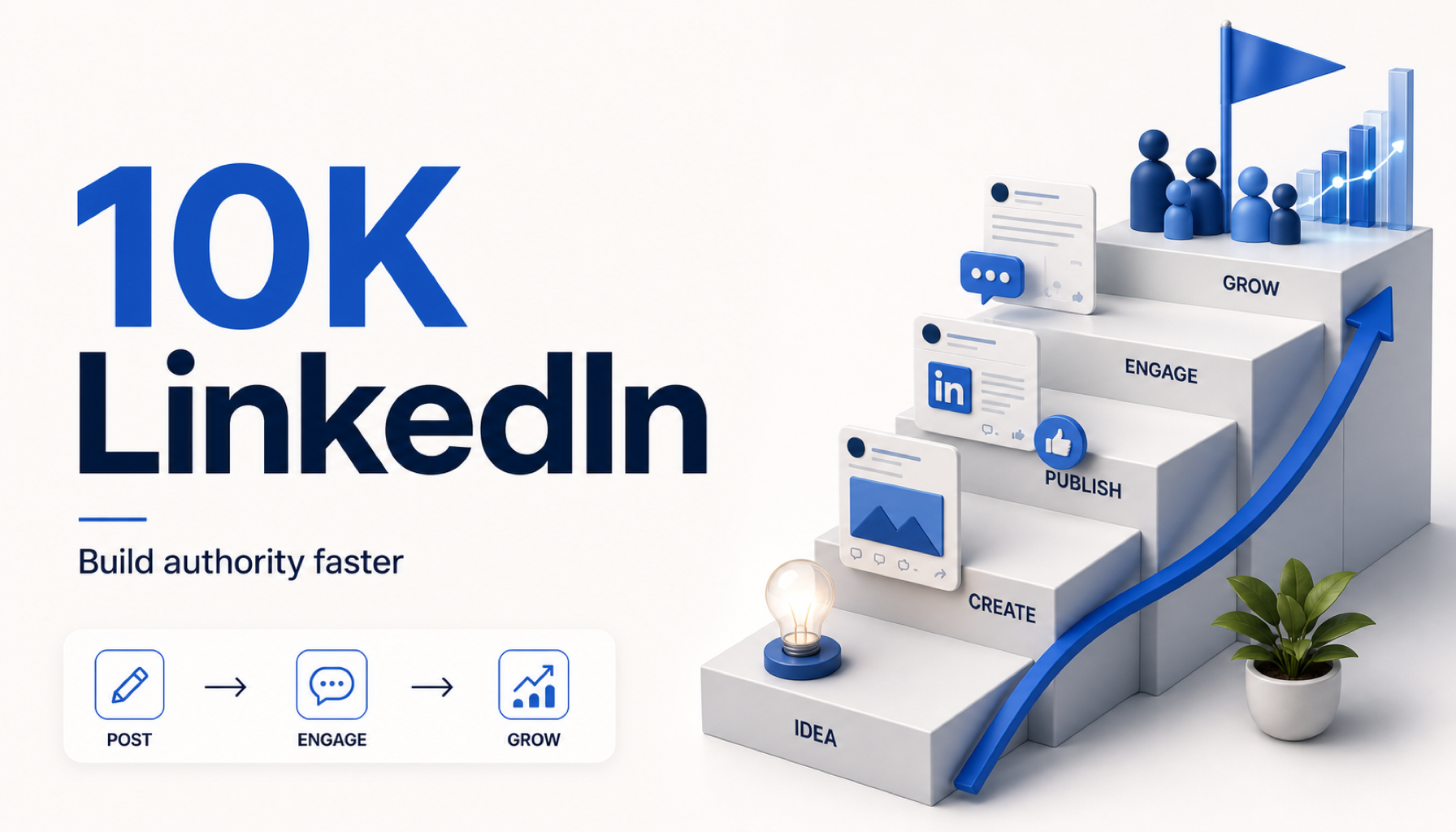
"Build in public" means sharing your product's progress, decisions, and mistakes while you work on it. Done well, it gives a small team something marketing usually lacks: a steady supply of true, specific material. Done badly, it becomes a stream of screenshots and vague "big things coming" posts that nobody can use.
This playbook is for solo founders who want to do it on X and LinkedIn without it taking over the week. It makes no promise about follower counts or revenue; those depend on your product, audience, and luck. It is about making the habit sustainable and useful.
Decide who the posts are for
The most common failure is writing for other founders when your buyers are not founders. Other builders are a fine audience for feedback and encouragement, but they rarely buy a product aimed at, say, finance teams or agencies. Before you post, write one sentence: "These posts are for [buyer] who struggle with [problem]." If your buyer is a technical founder, building in public on X may reach them directly. If your buyer is a B2B operator, LinkedIn is often closer to where they spend time. Check against your validated ideal customer profile rather than guessing.
The six things worth sharing
- A decision and its reasoning. "We chose X over Y because..." Reasoning is more useful than conclusions.
- A shipped change. What changed, who it helps, and what it looks like. Your release notes are the raw material (see release notes to marketing content).
- A mistake or something that did not work. Specific and honest, without drama.
- A customer-driven insight. A pattern from conversations, with names and private details removed unless you have permission.
- A lesson with a small, real example. Teach one thing you actually learned.
- A numbers update, only when the numbers are real. Share your own figures if you choose to. Never invent, round up, or borrow someone else's.
Notice what is missing: generic motivation, recycled advice, and vague teasers. If you cannot point to something that happened in your product or business, wait until you can.
Decide what stays private
Write the boundary down once so you do not decide under pressure. Typically private: customer names and messages without consent, credentials and security details, unreleased work under agreement, and anything that would harm someone. Check your employment or contract terms if you have other obligations. Public is a choice you make per post, not a default.
The same update, reshaped for each platform
Do not paste identical text to both networks. Use one update and adapt its shape.
| X | ||
|---|---|---|
| Length | Short post or a thread. Each post is limited to 280 characters. | Longer paragraphs with white space; room for a short story. |
| Tone | Direct, informal, quick to the point | Professional but still personal; first person works |
| Best material | Quick progress, screenshots, small lessons, replies to peers | Decisions, lessons, and customer problems framed for a business reader |
| Link handling | Link in the post or a reply | Test where you place links; no placement is guaranteed to perform better |
Worked example (fictional). Imagine you shipped saved filters in an invoicing tool. On X: "Shipped saved filters today. If you check the same three overdue-invoice views every morning, you can now save them. Screenshot below." On LinkedIn: three short paragraphs about the morning routine that prompted it, what you changed, and one thing you are still unsure about. Same fact, two shapes. This is an invented example for illustration, not a result.
For the LinkedIn side in more depth, see the LinkedIn growth guide for solo founders.
A weekly rhythm you can keep
Consistency beats intensity, and you control consistency. A starting schedule that fits around building:
- Friday, 20 minutes: list what you shipped, decided, and learned this week. Pick the two or three best items.
- Monday to Thursday: post one item per day at most on each platform. One substantial LinkedIn post and a couple of X posts per week is enough to start.
- Daily, 10 minutes: reply to comments and to a few people in your niche. Replies are often where the actual relationships form.
- Monthly: look at what drew thoughtful responses, not just reach, and write more of that.
Put it in a simple content calendar so you are not deciding what to post each morning.
Engage like a person
Posting is half of it. Reply to people who comment, and comment usefully on others' posts. Avoid dropping links to your product in strangers' threads. A short, relevant answer builds more trust than an advert. Be honest when something in your niche is better than your product for a given use case; people remember that.
Measure what matters to the business
Likes feel good and tell you little. Track things closer to outcomes: replies from people in your target market, profile visits that turn into site visits, tagged clicks, and signups and activation from those clicks. Use consistent UTM labels, covered in UTM tracking for SaaS, and read results as evidence for a decision, not proof of causation.
Where automation helps, and where it should not
The expensive part of building in public is the translation: turning a commit, a ticket, or a note into a post that reads well on each network. AICMOHQ is built for that. Its AI Creator agent drafts from your product context, and the GitHub integration can be a source of material. Its X thread format stores a thread as a single text with --- between posts and validates each segment against the 280-character limit. Publishing an X post or thread costs 5 credits and a LinkedIn post costs 7, per the credit table. The AI Social Media agent drafts replies to comments and mentions for your approval.
The default mode is approve: drafts wait for you, and the operating modes doc describes how autonomy is opt-in. Keep it there for build in public specifically. The value of the format is that a real person is telling the truth about their work, so read every draft, correct anything inaccurate, and delete lines that sound like marketing. The approval-first approach exists for that reason. If you work from a coding agent, the CLI and MCP guide shows how to draft from the terminal.
Mistakes to avoid
- Posting only wins; people trust a founder who also shares what went wrong.
- Posting only metrics, with no context.
- Sharing numbers you cannot stand behind.
- Treating engagement-bait formats as a strategy.
- Pausing for weeks after a missed day. Resume the next day; do not try to catch up.
Start this week
- Write the one-sentence audience and the privacy boundary.
- On Friday, list three things from your week and write each as an X post and a LinkedIn post.
- Reply to ten people in your niche across the following week.
- Tag any links you share, then review signups from them in a month.
Draft updates from your real work
Start free with 50 credits and 5 AI CMO chat turns, one-time. Drafts wait for your approval by default.